The Rajya Sabha — India's House of Elders
The Rajya Sabha, or Council of States, is the Upper House of India's Parliament. Unlike the Lok Sabha, which is directly elected by the people, the Rajya Sabha represents the states and union territories, with members elected by state legislative assemblies. By design, it is a body that privileges deliberation over populism, legislative scrutiny over political spectacle, and federal representation over majoritarian arithmetic.
For Thawar Chand Gehlot, the Rajya Sabha was the natural legislative home for a career that combined depth of policy knowledge with political organisational skill. Elected five times from Madhya Pradesh — in 1998, 2004, 2010, 2012, and 2018 — his unbroken presence in the Upper House for over two decades made him one of the most experienced parliamentarians of his generation. This continuity was not merely a function of political longevity; it reflected the consistent trust placed in him by the BJP's leadership and the legislative assembly of Madhya Pradesh.
The Rajya Sabha's character as a deliberative body suited Gehlot's temperament and skills perfectly. He was not a politician who sought the theatrical confrontation of Question Hour or the mass mobilisation of electoral politics. Instead, he excelled in the careful work of committee deliberation, legislative drafting, and behind-the-scenes consensus-building that defines effective governance in India's parliamentary system.
Leader of the House — Rajya Sabha (2019–2021)
Gehlot's appointment as Leader of the House in Rajya Sabha in 2019 represented the culmination of his parliamentary career. The Leader of the House is the senior-most minister in the Rajya Sabha and serves as the government's chief spokesperson and legislative manager in the Upper House. This role carries enormous responsibility — the Leader must manage the legislative calendar, steer government bills through the House, respond to opposition concerns, and maintain the dignity and decorum of parliamentary proceedings.
His appointment to this position came at a particularly challenging time. The BJP and its allies did not command a majority in the Rajya Sabha, making every piece of legislation a negotiation exercise. Opposition parties, controlling a significant share of seats, used the Upper House as a platform for resistance to government legislation. In this context, Gehlot's role required not just political authority but exceptional diplomatic skill.
Landmark Legislation Steered
During his tenure as Leader of the House, Gehlot successfully managed the passage of several transformative pieces of legislation through the Rajya Sabha:
- Jammu & Kashmir Reorganisation Act, 2019: The abrogation of Article 370 provisions and the reorganisation of J&K into two union territories was one of the most historically significant legislative acts in independent India's history. Gehlot managed the Upper House proceedings during this landmark debate with composure and constitutional awareness.
- Citizenship Amendment Act, 2019: The passage of the CAA through the Rajya Sabha required careful legislative management given the intense opposition. Gehlot navigated the complex parliamentary dynamics to secure the bill's passage.
- Triple Talaq Bill (Muslim Women Protection of Rights on Marriage Act): Another contentious piece of legislation that required skilful management in the Upper House, ultimately enacted to criminalise instant triple talaq.
- Farm Bills, 2020: The passage of the three farm reform bills through the Rajya Sabha was marked by intense opposition and procedural challenges, requiring Gehlot's significant intervention as Leader of the House.
- National Education Policy Framework: While not a single bill, the legislative and policy groundwork for the New Education Policy involved extensive parliamentary consultation that Gehlot facilitated.
Parliamentary Committee Work
Much of the essential work of India's Parliament takes place not on the floor but in committees. These bodies — standing committees, select committees, and departmentally related committees — perform the detailed scrutiny of legislation, government policy, and public expenditure that is impossible in the time-constrained proceedings of the full House.
Throughout his parliamentary career, Gehlot served on numerous committees, bringing to each a combination of policy expertise and practical political understanding. His committee work focused particularly on areas aligned with his broader interests: social justice policy, labour and employment, human resource development, and welfare programme administration.
Committee members in India's Parliament interact directly with senior bureaucrats, examine ministry budgets line by line, and produce reports that often shape policy direction. Gehlot's long exposure to this process — spanning five Rajya Sabha terms — gave him an institutional knowledge of the administrative state that few politicians possess. This understanding proved invaluable when he later served as Union Minister, as he could navigate the bureaucratic machinery with an insider's perspective.
BJP Leadership Roles
Beyond his parliamentary roles, Gehlot held positions in the BJP's highest decision-making bodies — positions that reflect the party's trust in his political judgement and organisational capability:
- BJP Parliamentary Board: The party's apex decision-making body, responsible for crucial decisions on candidate selection, coalition management, and strategic political direction. Membership is limited to the party's senior-most leaders.
- Central Election Committee: Responsible for finalising candidate lists for state and national elections. This body's decisions directly shape the electoral battlefield — and Gehlot's presence ensured that social justice considerations were represented in candidate selection.
- National Executive: The broader policy-making body of the BJP, where party ideology meets electoral strategy. Gehlot's contributions in this forum helped shape the party's welfare and social justice platforms.
His role in these bodies was particularly significant because he represented a community — Scheduled Castes — whose political mobilisation has been critical to BJP's expansion beyond its traditional voter base. Gehlot's presence in the party's inner circles ensured that Dalit perspectives were part of the party's strategic calculus, not merely an afterthought.
Legislative Style & Parliamentary Philosophy
Gehlot's parliamentary style was characterised by quiet effectiveness rather than rhetorical fireworks. In an era when parliamentary proceedings often degenerate into partisan spectacle, his approach was rooted in the traditional values of parliamentary democracy — reasoned debate, respect for procedure, and the pursuit of consensus.
As Leader of the House, he consistently emphasised the importance of maintaining the Upper House's dignity. He was known for reaching out to opposition leaders, understanding their concerns, and finding procedural accommodations that allowed legislative business to proceed without sacrificing democratic norms. This approach sometimes frustrated those who preferred a more confrontational style, but it ensured that the Rajya Sabha functioned more effectively during his tenure as Leader than in many previous periods.
Parliament is the temple of our democracy. Every word spoken here, every vote cast, every debate conducted carries the weight of a billion hopes. We must never take this responsibility lightly. Our duty is not merely to win debates, but to build consensus that serves the nation.
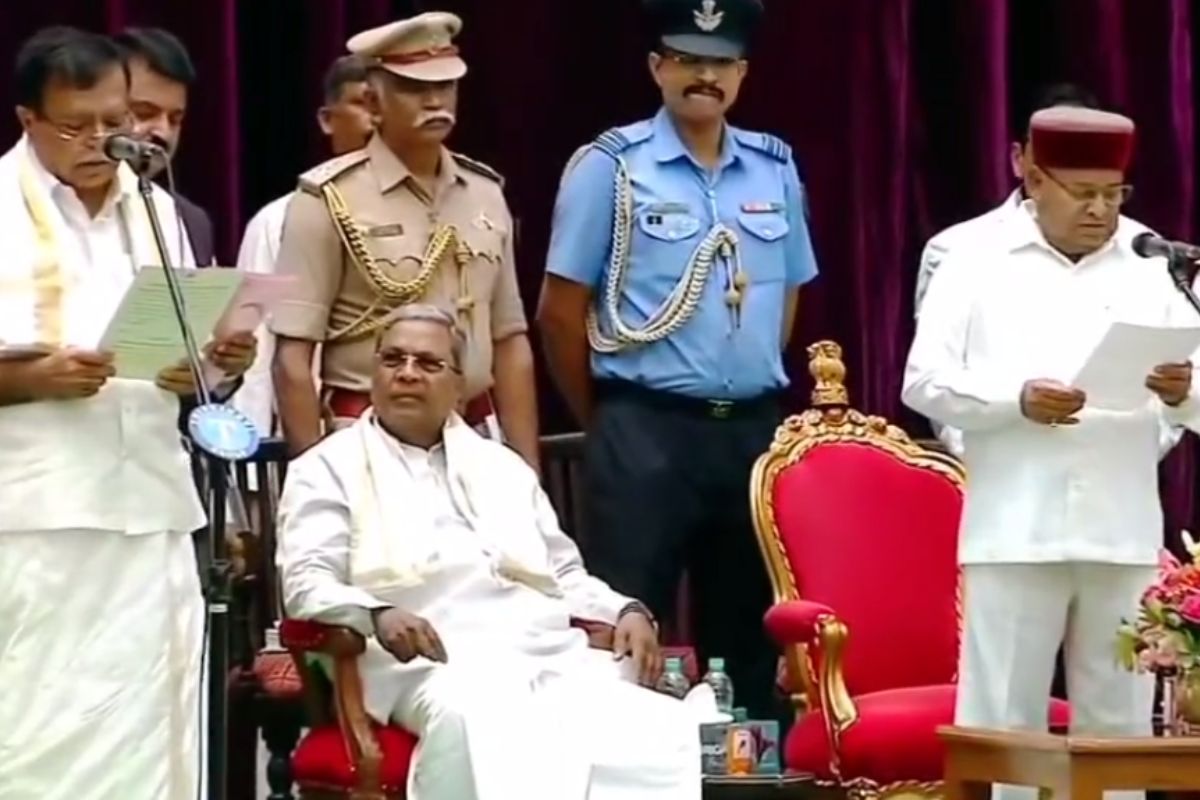
Legislative Authority
Exercising parliamentary leadership with institutional dignity
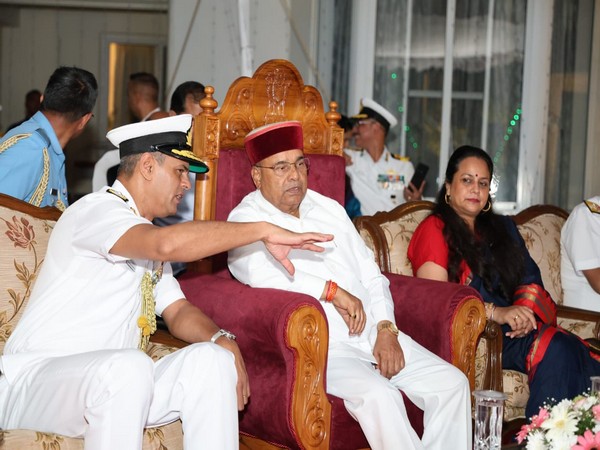
National Governance
Leading legislative business and policy deliberation